





Each year, Cure SMA invites scientists from around the world to submit funding proposals for basic research projects that address specific unanswered questions in spinal muscular atrophy (SMA) biology. Our Scientific Advisory Board ranks the submitted proposals based on their scientific merit and their alignment with Cure SMA’s research priorities. Funding is then awarded to the highest-ranked projects.
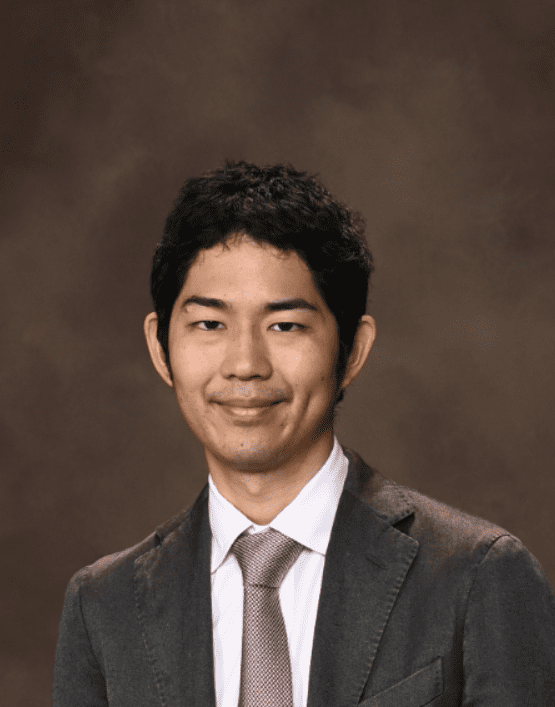
Meet Dr. Tetsuya Akiyama, MD, PhD
Tetsuya Akiyama, MD, PhD, has been awarded $150,000 for his research project “Defining Axonal Mechanisms and Therapeutic Potential of KIF5A in Spinal Muscular Atrophy.”
Dr. Akiyama is a neurologist and scientist who focuses on motor neuron diseases. He currently works as a postdoctoral researcher in the Gitler Lab at Stanford University School of Medicine and will join Tohoku University in Japan as faculty in February 2026. His research seeks to understand why motor neurons degenerate in SMA and to bridge scientific discoveries with new therapeutic strategies by combining basic research and clinical experience.
This Cure SMA-funded project builds on the understanding that while SMN-restoring treatments have significantly improved outcomes for individuals living with SMA, many patients continue to experience persistent muscle weakness and unmet motor milestones. Prior research has shown that motor axons are especially vulnerable in SMA. These axonal deficits begin in utero and may not be fully corrected by restoring SMN protein alone. Therefore, identifying additional therapeutic targets that act independently of SMN restoration and promote axonal maturation and resilience is an important step toward developing next-generation treatment strategies.
Dr. Akiyama’s team recently discovered that SMN deficiency leads to reduced levels of a protein called KIF5A in SMA motor neurons. KIF5A is essential for transporting critical materials along axons, helping motor neurons maintain healthy connections with muscles. This finding provides a possible mechanistic link between the genetic cause of SMA and axonal dysfunction, positioning KIF5A as a potential new therapeutic target.
In this project, Dr. Akiyama will first test whether restoring KIF5A specifically in motor neurons can improve survival, motor function, motor neuron viability, and neuromuscular junction health in a mouse model. His team will then use motor neuron cell cultures to create a detailed map of the molecular changes that occur in axons when KIF5A is reduced or missing. This axon-ome analysis will help identify additional pathways that can be targeted for future therapies.
By combining targeted restoration of KIF5A with a broad discovery approach, this research aims to determine whether strengthening axonal health can complement existing SMN-based treatments. The findings may help guide the development of combination therapies designed to improve motor function and long-term outcomes for people living with SMA
motor neurons: specialized nerve cells that carry signals from the brain and spinal cord to muscles, allowing the body to move.
motor axons: the long extensions of motor neurons that connect to muscles.
neuromuscular junction: the connection point where a motor neuron communicates with a muscle fiber to trigger muscle movement.
axon-ome: the complete set of genes and proteins present within the axon. Studying the axon-ome helps researchers understand which molecular changes occur inside axons during disease processes and may reveal new targets for treatments.
mouse model: a laboratory mouse that has been genetically altered to mimic key aspects of a human disease, allows researchers to study the condition and test treatments.
Cure SMA’s top basic research priorities for 2026 include:
- Enhancing understanding of the molecular, cellular, and biochemical mechanisms that underlie SMA pathology.
- Generating key reagents and tools to facilitate drug development and clinical trials.
- Identifying new therapeutic strategies for treating SMA.
- Identifying drug targets that work synergistically with SMN-upregulating therapeutics to benefit older and symptomatic patients.
In 2026, Cure SMA awarded a total of $750,000 to six scientists to pursue these research objectives!
Thank You!
Special thanks to the Concepcion Family, Nunemaker Family, Weisman Family, Luke 18:1 Foundation, Dhont Foundation, and Cure for Casey Foundation for their generosity to Cure SMA in our quest to invest in basic research that will ultimately drive the next generation of SMA treatments.