





Cure SMA is pleased to announce the participation of our Research Department staff in the following conferences:
- 2026 Muscular Dystrophy Association (MDA) Virtual Clinical & Scientific Conference (March 8 – 11, 2026; Orlando, FL)
- 5th International Scientific Congress on SMA (March 11 – 14, 2026; Budapest, Hungary)
- 2026 American Academy of Neurology (AAN) Annual Meeting (April 18 – 22, 2026; Chicago, IL)
- 2026 International Society for Pharmacoeconomics and Outcomes Research (ISPOR; Philadelphia, PA) Conference (May 17 – 20, 2026)
- Annual SMA Research & Clinical Care Meeting (June 24 – 26, 2024; Orlando, FL)
The SMA Industry Collaboration (SMA‑IC) is a partnership that unites Cure SMA, other nonprofit organizations, and pharmaceutical partners to achieve the common goals of improving treatment outcomes and quality of life for individuals with SMA and their families. By sharing data and expertise, SMA‑IC members work together to address scientific, clinical, and regulatory challenges. SMA-IC research turns insights from the community into actionable evidence that can be used to improve the delivery of care, reduce barriers to treatment, and support the development of new therapies that address the everyday needs of individuals living with SMA. A summary of SMA-IC Phase 11 (2026) priorities is available here.
At research conferences this spring, Cure SMA presented SMA-IC research findings based on the real-world experiences of the SMA community. Drawing on patient, caregiver, and provider‑reported data, Cure SMA’s poster presentations highlighted what our research has discovered about:
- Ways to measure disease progression and treatment response that are meaningful to adults living with SMA (Poster Presentation 1)
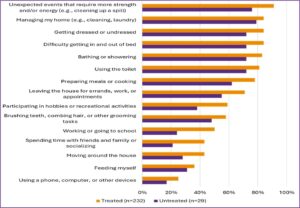
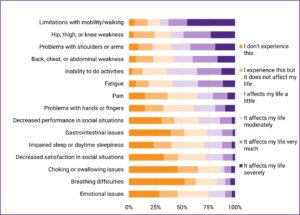
- How unmet treatment needs affect the abilities of adults with SMA to perform everyday activities (Poster Presentation 2)
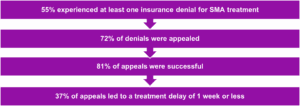
- The impact of insurance barriers to FDA-approved treatments on the SMA community (Poster Presentation 3)
- The unique experiences of individuals with adult-onset (Type 4) SMA pursuing a diagnosis and treatment (Poster Presentation 4)
- The effects of factors like household income and employment status on disease burden in adults with SMA (Poster Presentation 5)
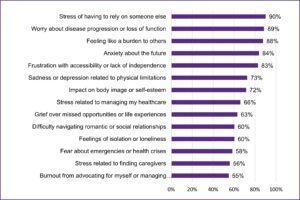
- The mental health experiences of adults with SMA (Poster Presentation 6)
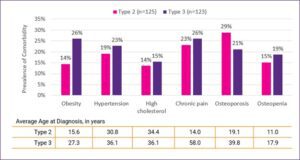
- Additional health conditions that may affect adults with SMA (Poster Presentation 7)
- Healthcare provider perspectives on SMA treatment decision making, as well as challenges that impact a care center’s ability to prescribe and give SMA treatment (Poster Presentation 8)
By bringing the SMA community’s lived experiences into scientific and clinical forums, Cure SMA helps ensure that patient and caregiver voices influence drug development, clinical care, treatment decision-making, and payer coverage.
The following are summaries of the research we presented this spring at professional conferences around the world:
Key Terms
Activities of daily living (ADLs): The everyday tasks that most people do on their own to take care of themselves. ADLs include things like getting dressed, bathing, eating, moving around the house, and using the bathroom. In a medical context, healthcare providers often ask how well a person is able to do these tasks to understand how a condition, like SMA, affects their independence and quality of life.
Social determinants of health (SDOH): The real-life conditions that shape a person's health, not just their medical diagnosis. This includes things like where a person lives, whether they have reliable transportation, their income level, access to healthy food, educational opportunities, and the support of their community. These factors can make it easier or harder for a person to stay healthy and access the care they need.
Comorbidities: When a person is living with more than one health condition at the same time, the additional conditions are called comorbidities. These are separate from a person's main diagnosis but can affect treatment decisions, overall health, and quality of life. Managing multiple conditions at once often requires a team of different specialists working together on behalf of the person. For example, a person living with SMA may also experience scoliosis or respiratory challenges — these would be considered comorbidities alongside their SMA diagnosis.

Cure SMA is thankful for all the members of the SMA community who have generously shared their data via SMA-IC surveys. Funding for this research was provided by the 2024 and 2025 SMA-IC; members included Cure SMA, Scholar Rock, Biogen, Novartis, Biohaven Pharmaceuticals, Genentech/Roche, Alcyone Therapeutics, argenx, NMD Pharma, and SMA Europe.
About the Cure SMA Industry Collaboration
The Cure SMA Industry Collaboration (SMA-IC) was established in 2016 to leverage the experience, expertise, and resources of pharmaceutical and biotechnology companies, as well as other nonprofit organizations involved in the development of spinal muscular atrophy (SMA) therapeutics to more effectively address a range of scientific, clinical, and regulatory challenges. Current members include Cure SMA, Novartis, Scholar Rock, Biogen, Genentech/Roche Pharmaceuticals, argenx, NMD Pharma, and SMA Europe.